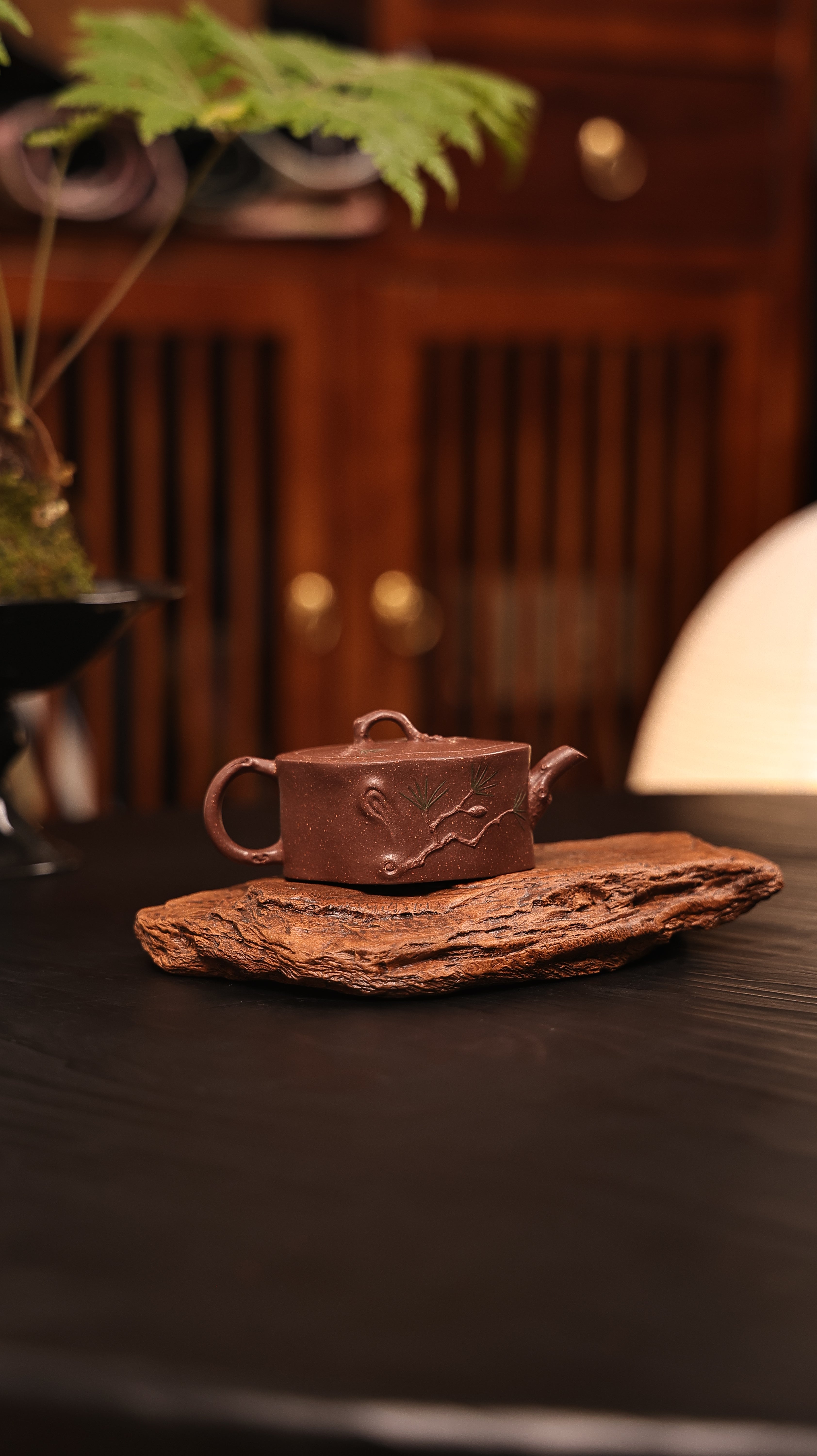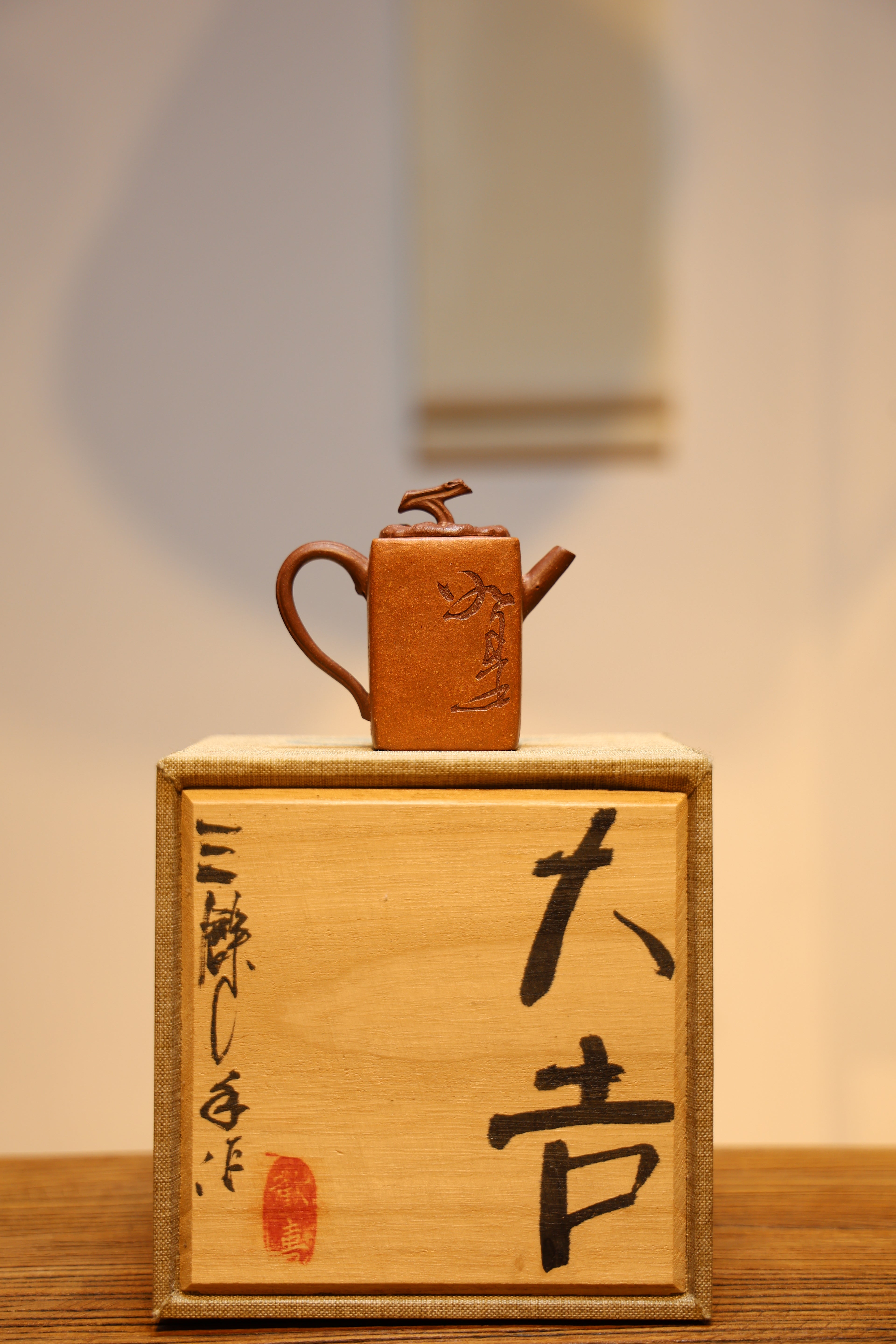
Ages of lovers have long pursued the particular magnetism of Yixing Zisha flasks. Born in the secluded town of Yixing, the nation, these pots are crafted from a exotic and harvested purple clay esteemed for its notable thermal traits and tendency to improve the flavor of potions. Besides their effective importance, Zisha teapots embody a profound legacy foundation, transforming them immensely prized and a veritable masterpiece for any passionate teapot lover.
Surveying Yixing Containers
Authentic teapots represent a distinct amalgamation of history and skilled craftsmanship. Originating in Yixing, Jiangsu Territory of China, their narrative stretches the Ming Dynasty, although indications suggest earlier models. The distinctive purplish clay, called Zisha, found just in the Yixing region, is the crucial component, contributing to the pots' superior heat conservation and the manner they affect the quality of tea. Dynasties of potters have refined techniques—often passed down through families—including sculpting the clay, applying decorative embellishments, and firing the pots at accurate temperatures.- Originally, Yixing teapots were often ornamented with simple designs.
- Thereafter, more sophisticated carvings and iconographic motifs became widespread.
- The baking itself is a indispensable element, requiring long durations of mastery.
Amassing Zisha Teapots: Essential Criteria
Starting a expedition to acquire Zisha kettles can be rewarding, but it’s vital to discern what to examine. Authenticity is fundamental; focus on the earth’s natural cast, a subtle reddish-brown is characteristic. Examine the structure; genuine Zisha has a characteristic tactile sensation, often characterized as slightly bumpy. The design should be attractive and consistent with traditional styles, while maker’s marks, if present, require precise examination for veracity. Don’t refrain to consult with skilled authorities or reputable authorities – their wisdom is essential.
Chinese Clay Pots: Investigating the Practice of renowned Zisha
Years have seen Yixing Yixing Clay teapots sustain a remarkable role in Chinese culture. These finely fashioned pots, sourced distinctively from the locale of Yixing, are famous for their unique hue, surface, and their ability to boost the scent of decoctions. Scores of collectors collect antique Yixing teapots, coveting them highly not only for their aesthetic charm, but also for the past they symbolize.
Yixing Zisha Teapots: Unique Foremost Forms and Their Properties
Zisha Ware teapots, rooted in the renowned district of Yixing, the realm, are esteemed for their singular clay and excellent brewing functions. Amongst the many Zisha types, certain selections that are highly respected include Mingzhong. Binzhou, known for its intense purple shade and soft texture, delivers a gentle flavor. This Duan Ni variety, recognizable by its orangish color and partially grainy feel, is viewed to enhance the fullness. Lastly, The Zhuni type boasts an peculiar vermilion tone and can deliver a delightful nuance. Each variety supplies a alternative experience, allowing them very desirable regarding concoction enthusiasts.
Excelling at A Artisan Container
To discover the magic of your Yixing urn, learning the correct technique is essential. These clay earthenware, celebrated for their penetrability, will gradually embrace the heart of the tea you brew within them. Begin by cleansing the pot thoroughly with steaming water. Then, use only fine broken leaf tea, as lower quality options can spoil the clay’s delicate qualities. Always let the leaves to extend completely, and remember that with each infusion, your Yixing teapot will become steadily unique.
Sustaining Your Cherished Zisha Relic
Proper attention for your Zisha urn is necessary to conserving its appearance and appreciation. Zisha clay, hailed for its unique nuance and consistency, requires considerate handling. Never use strong formulas, as these can damage the veneer. After Chinese Teapot every session, rinse the container with warm water and allow it to dehydrate completely.
- Resist soaking the vessel for extended phases.
- Periodically use a soft piece of cloth to refresh the exterior.
- Contemplate applying a thin layer of food-grade ointment inside the teapot after drying, which can lessen staining.
Getting Started with Yixing Containers
Yixing pitchers, originating from the Yixing locale in Jiangsu Province, inside China, are celebrated for their distinctive qualities. Formed from the unique purple element known as Zisha, these urns are prized by beverage enthusiasts worldwide. This manual will clearly explain the nuts and bolts – covering varieties of Zisha material, typical shapes, and key care advice. Understanding the origin of Yixing earthenware can boost your appreciation for this celebrated example of Asian artistry.
Mastery of Oriental Kettles: Presenting Zisha sourced from the Yixing area
Zisha material from Yixing locality represents the peak of Asian teapot design, boasting a special mixture of authentic beauty and utilitarian artistry. These notable pieces are acclaimed for their bold complexions, often including strong purples and copper hues to delicate greys and subtle beiges. The defining mineral composition of the typical Zisha substrate imparts a unique texture and delivers a welcoming aroma that amplifies the aggregate potion experience, resulting in them strongly coveted collectibles and fundamental components of any serious infusion.